Changes to NIH publishing policies
Changes are afoot. Amidst the destructive chaos of the past six months, much is uncertain, but one clear trend is that NIH is going to continue to influence the ecosystem of academic publishing. And that’s probably a good thing, based on what the NIH has done in the past.
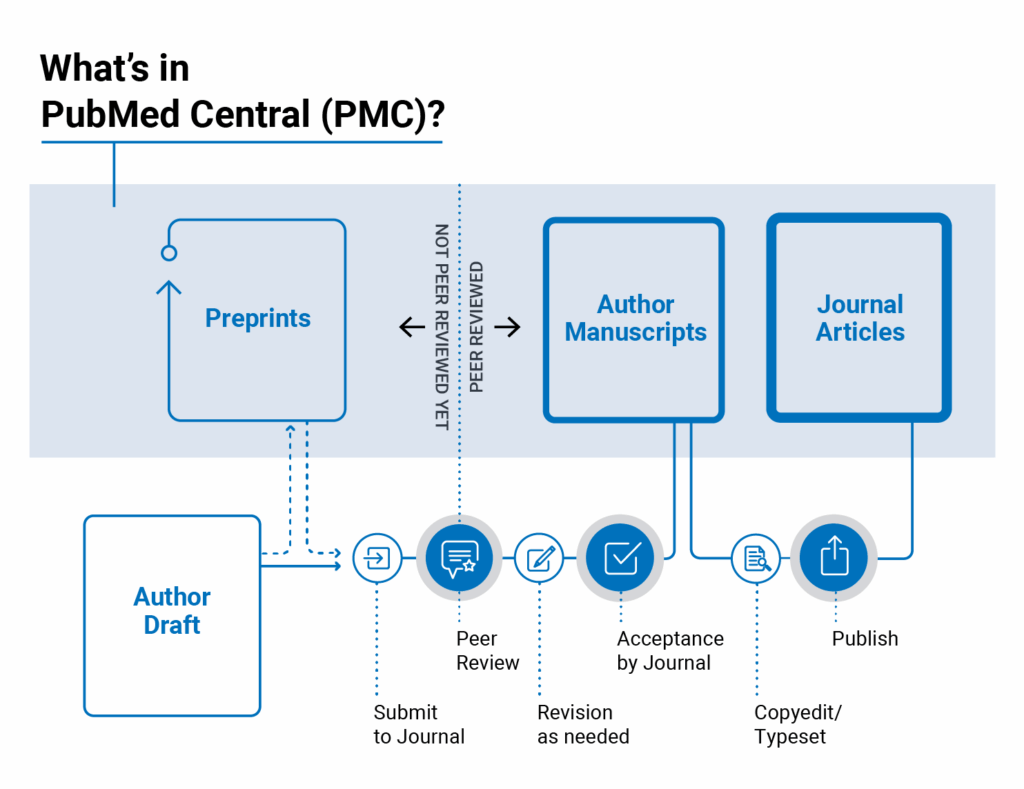
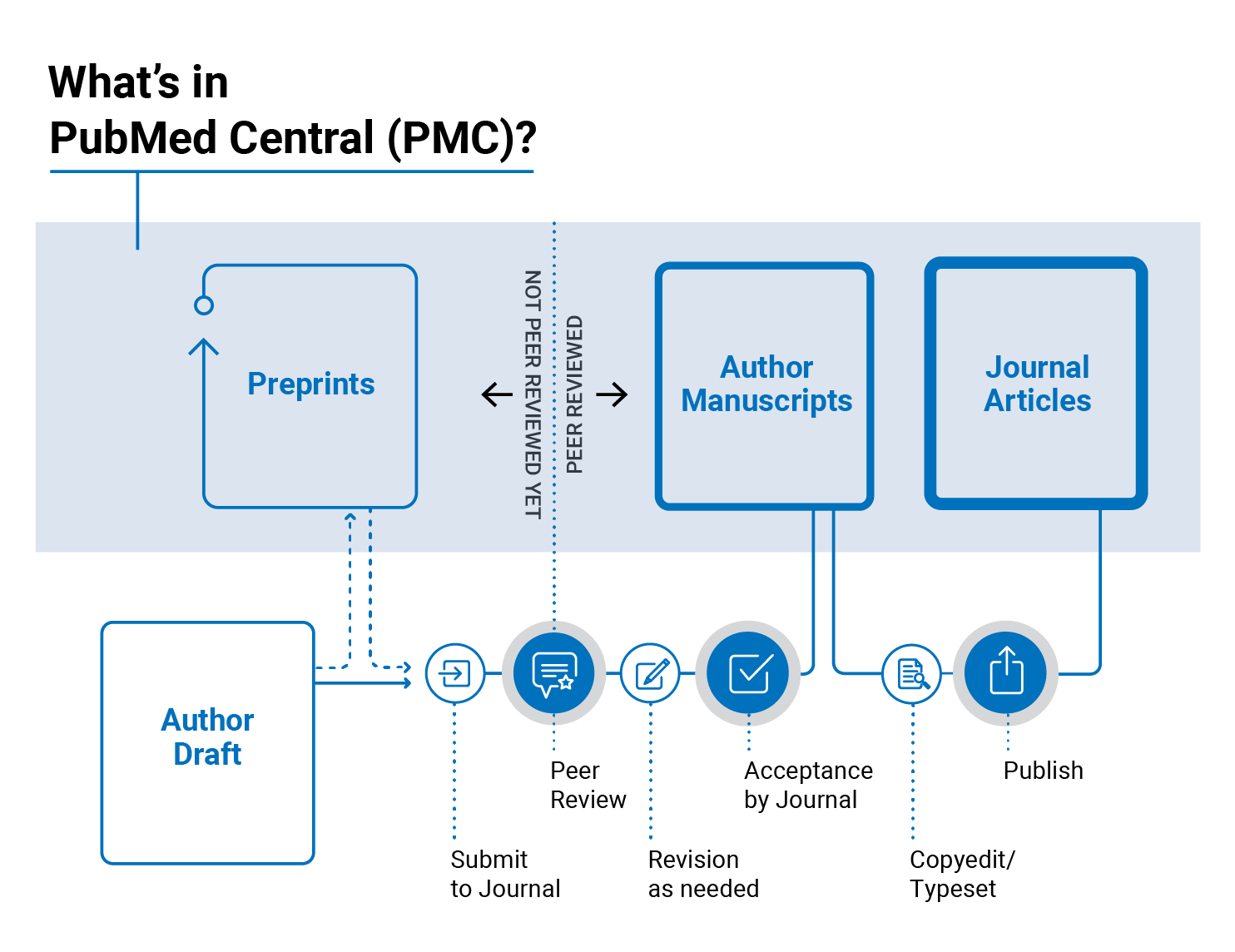
The NIH has tremendous influence over academic publishing in biomedical sciences and related fields. They run the impressive database PubMed, along with an array of integrated resources. The NIH already runs their own full text pub server (PubMed Central, PMC), which pulls from bioRxiv and conventional journals to provide open access to publications. NIH-funded publications are required to be deposited in PMC open access, free for the whole world to read. It used to be that journals could embargo an article for a period of time, but that went away earlier this month. Now they go online immediately.
The latest change is the idea to cap the maximum charges for publishing that can be charged to NIH grants. Article Publishing Charges (APCs) can be many thousands of dollars for a single article. This cap would put pressure on journals to charge less for APCs, and leave more money in grants for research. It is also possible that APC-expensive journals will cater to well funded PIs that have non-NIH funds that they can use to pay APCs over the cap. We’ll see.
Desktop publishing is old technology, but it keeps getting better year after year. Now, the difference in typesetting between a preprint (done on a nice template in LaTex, maybe via Overleaf) and a publication in a journal is becoming small. Some preprints are better formatted than some journals.
I wonder what the next changes will be.
Here is where we are at:
- Publication is easy. Preprint servers continue to grow. I’d rather just call them publication servers. Many items on preprint servers will never get printed, and many of those will never even appear in another format (e.g., typeset by a journal after peer review and acceptance). And some of those articles can be influential, getting hundreds of citations or more.
- Peer review can be done after publication. Modern peer review didn’t become common practice until about the 1970s or 1980s. I don’t need peer review for all papers, but I acknowledge that it can be important and valuable. It can be done after the publication is openly available, and it can be revised in response.
- eLife does this now, reviewing publications on bioRxiv and similar sites (but still charges fees for publication).
- NBDT is an overlay journal that adds peer review to publications (with no fees at all!)
- PubPeer does post-publication peer review for anything. I’ve mentioned them before, dating back to 2012. It’s great to see the resource doing well in 2025.
- Other journal functions are easy to do. Highlighting papers, grouping papers in a topic, reviews, discussions, and so forth can be done in an array of different ways. Blogs, overlay journals, podcasts, and other publication types. It’s great to have a diverse array of ways to pull content from publication servers. For example, Pubpeer has their Peeriodicals.
What if the NIH enacted a new policy where:
– All publications resulting from NIH-funded work must be published ONLY on servers that are free for both authors and readers. Could be bioRxiv, arXiv, NIH’s own PubMed Central, … anywhere as long as there is no charge for authors or readers.
– The NIH will provide funding to publication servers like bioRxiv, etc. proportional to the number of NIH-funded publications that appear there.
– The NIH will pay $100 per post-publication peer review done by NIH researchers, up to some maximum amount per year. Only for people who are currently PIs on NIH grants. It might not cover all of the peer review needed, but paying people could help encourage the practice, and hopefully it would take off from there.
This wouldn’t solve all problems. E.g., some papers really do benefit from proper typesetting. We’re not all Jan Tschichold. Also, there could be unintended consequences. But I find it interesting to explore. It could mark the decline of the old “journal title / impact factor as a proxy for judging the quality of individual papers” heuristic. It could also end the whole “shopping a paper around” nonsense. Plus it would overall be cheaper. More money for NIH research. Tons of savings for university libraries too. And really, given where we are at, and everything that the NIH already does with PMC and their APC cap, this policy is maybe not so radical.