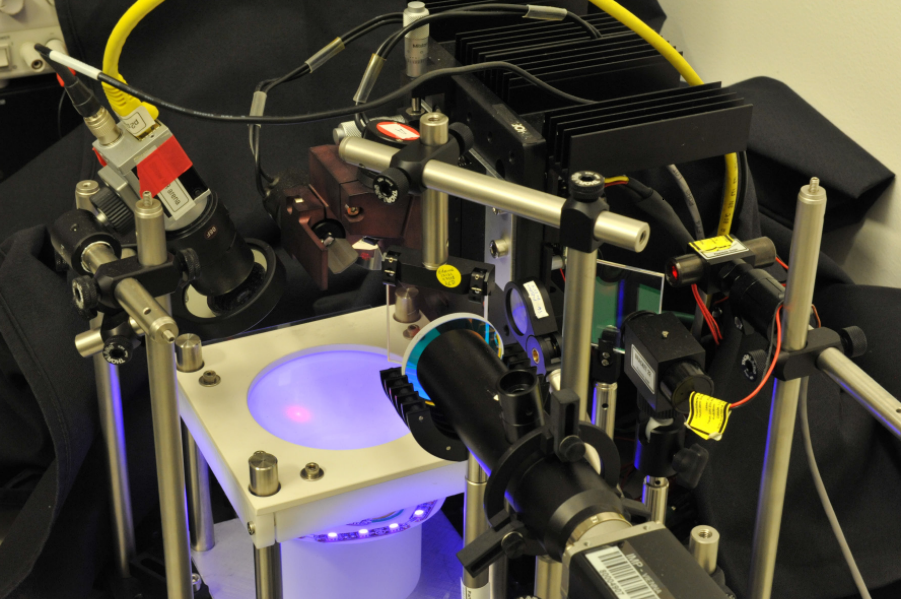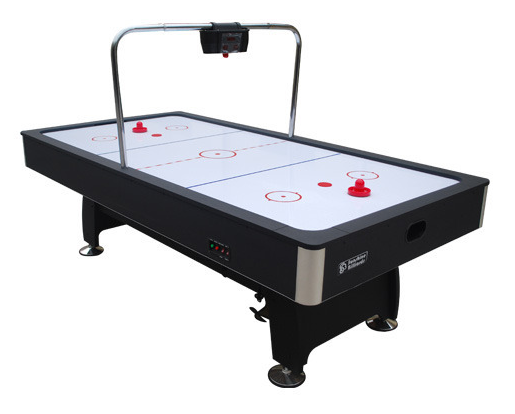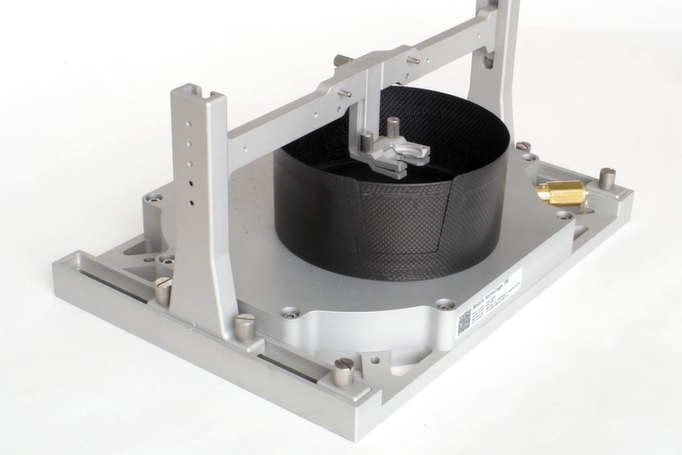
Headplate designs
Posted in Hardware
Multiphoton imaging with micron resolution in living animals can be challenging…
Multiphoton imaging with micron resolution in living animals can be challenging…
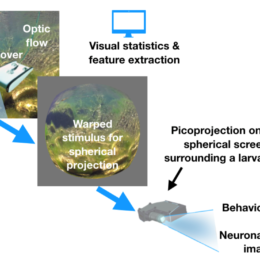
The Thiele Lab at the University of Toronto is recruiting a Postdoc for the Fall to work with an HFSP team (UC Berkeley, Univ of Maryland, and Univ of Tübingen) that is…
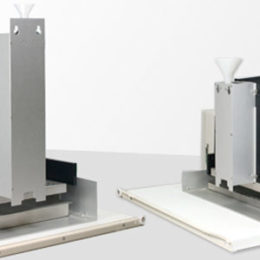
Lisa Saksida and Tim Bussey turned touchscreen systems into high throughput tools for rodent behavior assays. When I visited their lab in Cambridge (they’re now based at U Western Ontario in London, Canada, between…
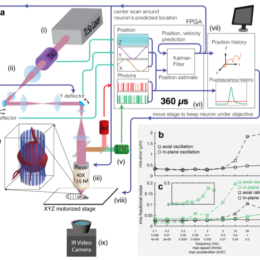
In this work, the authors used fast optical motion tracking and 2p imaging to measure the activity of individual neurons in freely moving animals. No surgery. No optical window. No restraint. And all the…
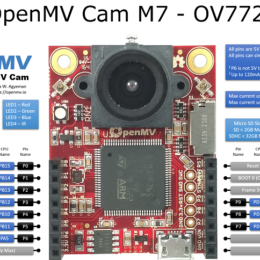
OpenMV is an open source machine vision system. It’s designed to be easy-to-use, with a gentle learning curve. They want this to be the “Arduino of Machine Vision”. The software IDE…
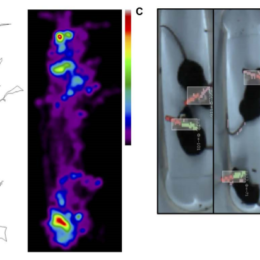
Pixy is an open source computer vision system. Mostafa Nashaat, Robert Sachdev, and colleagues including Matthew Larkum have developed software for use with the Pixy, that can be used to track mouse behavior, including free movement…
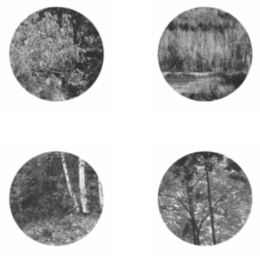
SLAB is trying something new with one project in the lab. Prior to drafting a preprint, we’re blogging the project and sharing the results and analysis. We invite anyone to comment…
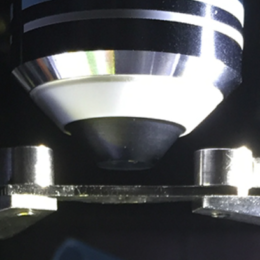
A world-class in vivo patch clamp electrophysiologist, Ian Duguid, is recruiting to his lab. Ian provides excellent training, and his lab is in a tremendous setting: Edinburgh. Ian’s also one…
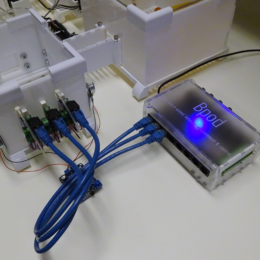
Sanworks has a whole series of devices for behavior experiments. Everything is open source and well documented. You can also pay them to assemble the devices if you choose.
…
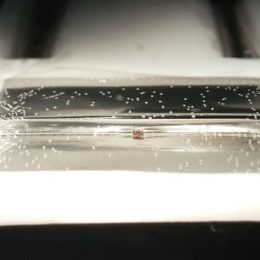
Peter Weir has a nice write up and directions on how to make the fly holder from his recent paper. He has some other useful notes that are worth checking out too: github,…
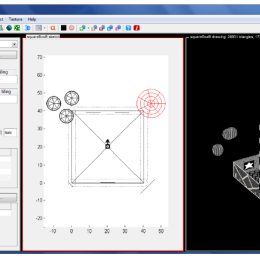
Dmitriy Aronov, while postdocing in David Tank’s lab at Princeton, developed a virtual reality engine that runs in MATLAB called ViRMEn. It’s open and there’s a good amount of documentation. The…
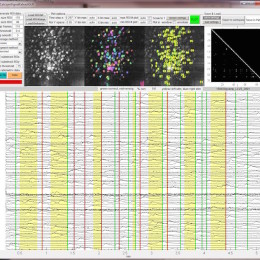
Stephan (currently in the Gilbert lab @ Rockefeller) wrote in to share his code for analyzing calcium signalling data in MATLAB. Thanks, Stephan!
Stephan writes…
I made a MATLAB GUI that automatically extracts ROIs from…
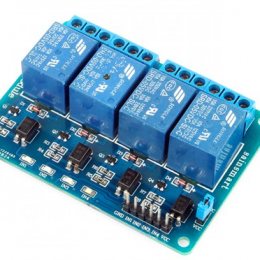
This post is by Koen Vervaeke.
Cheap microcontrollers like Arduino or Raspberries are great devices to orchestrate behavior experiments. They don’t have however high voltage outputs to directly drive valves, servomotors, etc which…
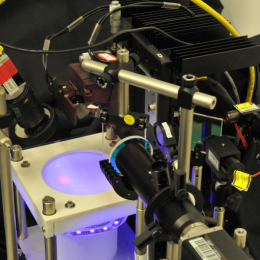
This tip comes from John Stowers. He and his colleagues developed an open source opto- and thermo- genetic system for targeting freely moving Drosophila with lasers.
He wrote a long post discussing some…
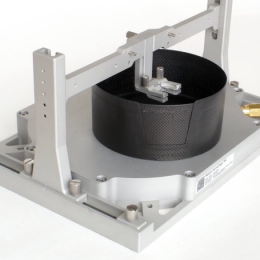
Mobile HomeCage is a different approach for awake, behaving experiments. It’s from Helsinki-based Neurotar.
Their marketing video is worth a viewing. You won’t regret it.