DIY synth for circuits and signal processing
Posted in Hardware
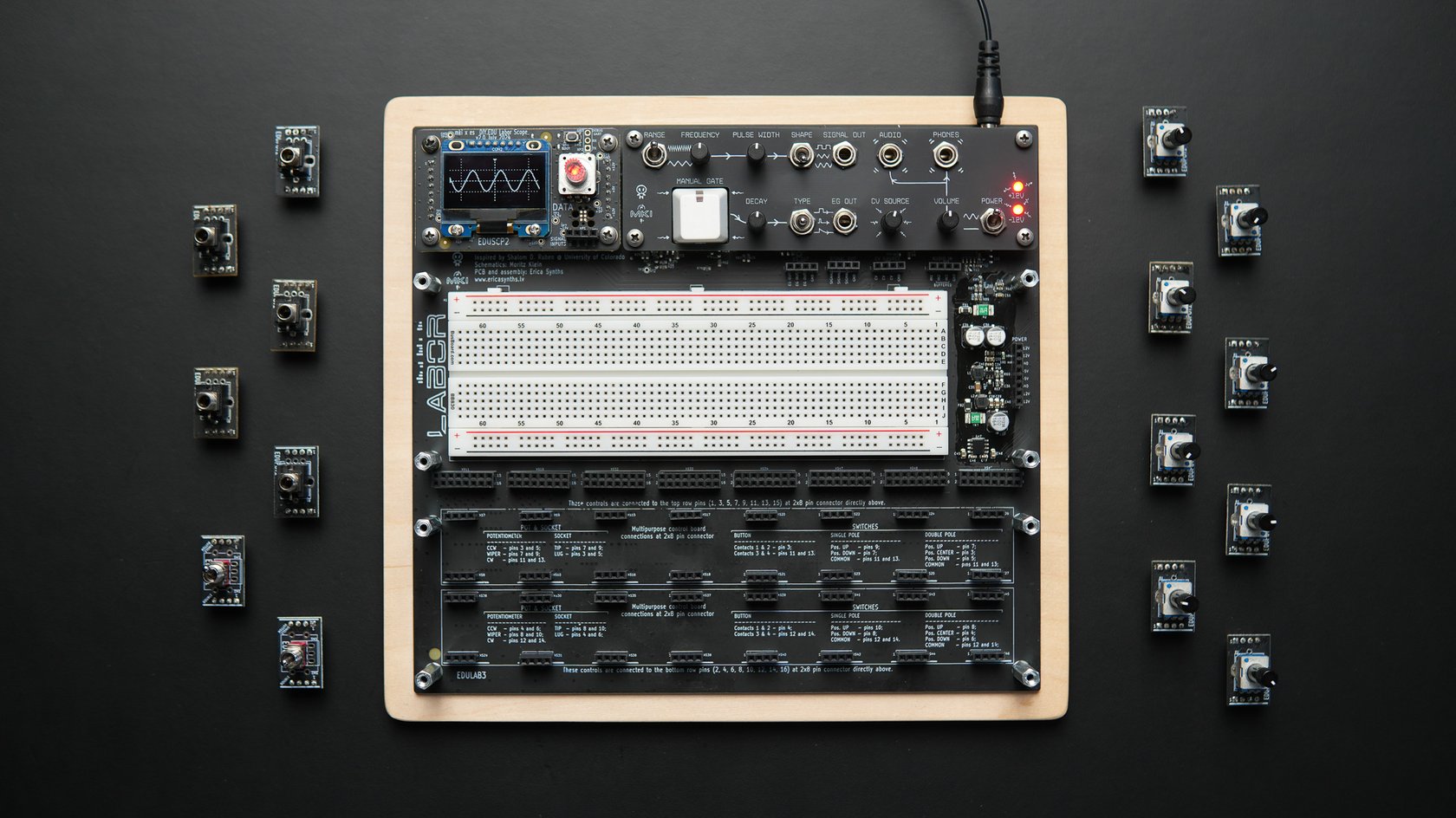
I came across this cool minimal synth kit called Labor from Erica synths. It’s great for learning about circuits and signal processing. There are videos online about it…
I came across this cool minimal synth kit called Labor from Erica synths. It’s great for learning about circuits and signal processing. There are videos online about it…
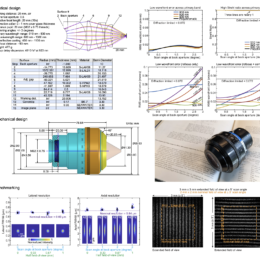
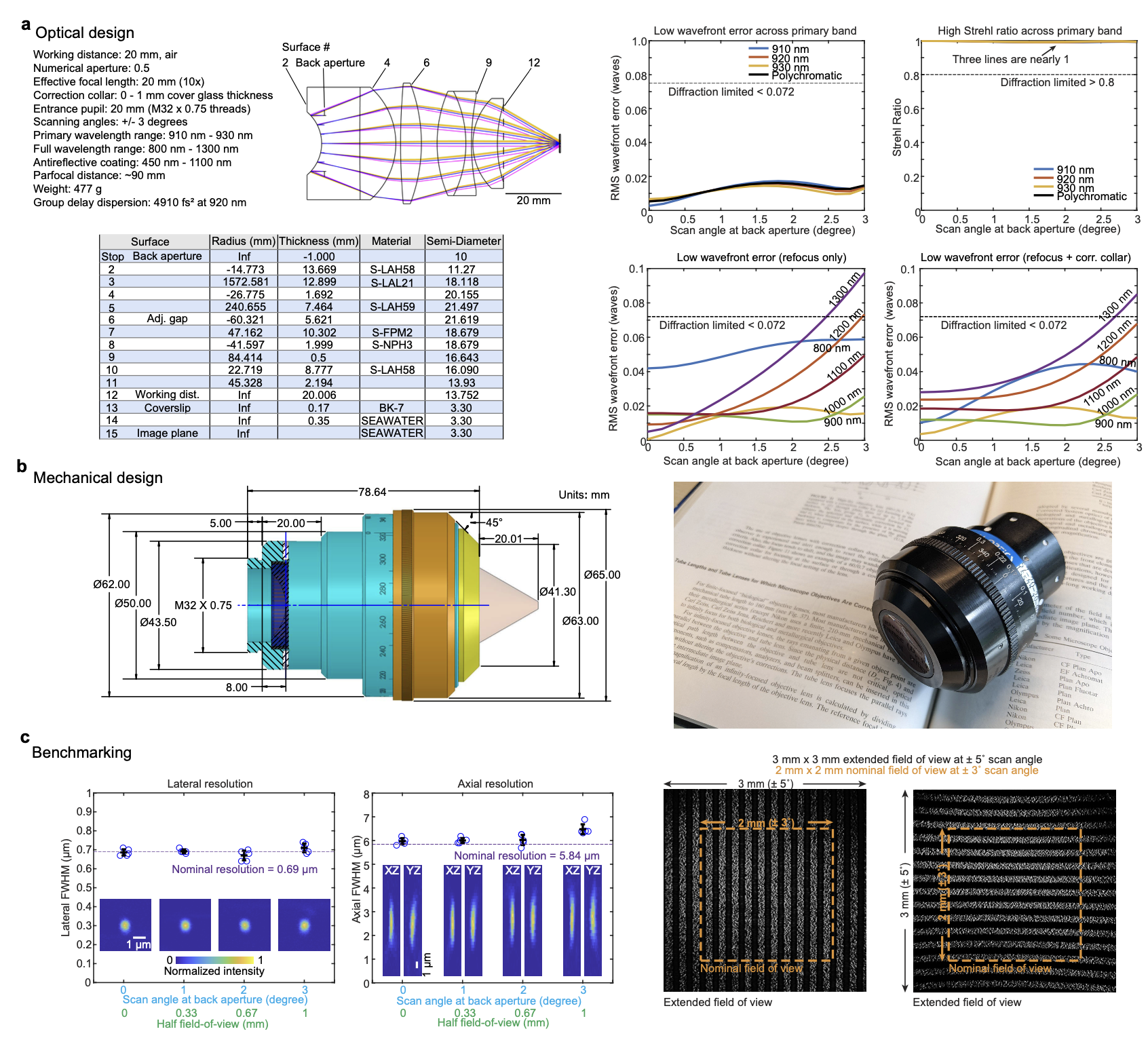
We just updated the preprint for the Cousa objective. It’s a big update.
Back in November 2020, we announced a design for a 20 mm working…
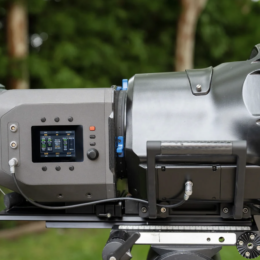
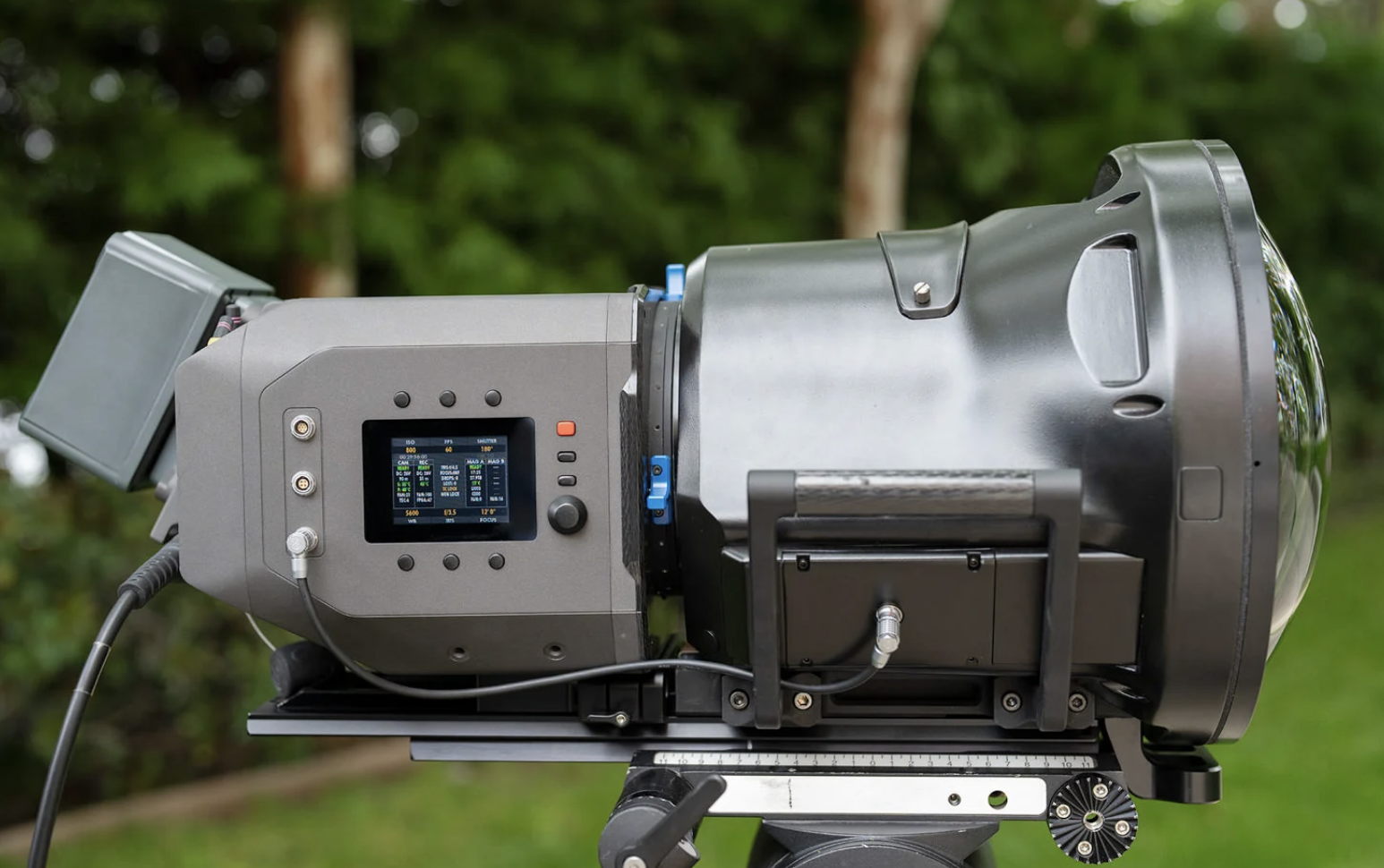
That’s not a typo. 58.6 square centimeters of detector area. It’s the Big Sky camera by Sphere Entertainment Co. I want to know more about that lens on the front too.
Maybe an upgrade for the next version of the ExA-SPIM?

Coming soon to your neuroscience lab.
Thorlabs has worked with the great Jacob Reimer to create a streamlined 2p system that is compact enough to mount on…
Your amazing imaging rig should be operated with the room lights on. There’s no reason you need to do your work in the dark. My rigs are built lightproof. Very…
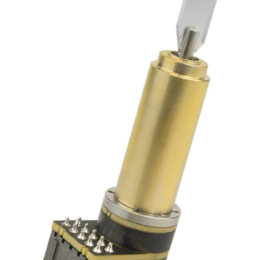
There are some companies that have no real competition. Maybe a product here-and-there in their catalog is subject to market forces, but most of their items have no competing options…
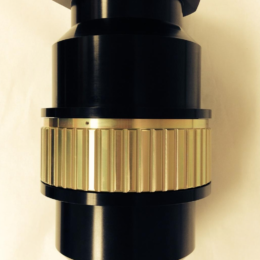
Several people have reached out for guidance on designing and building an objective from scratch, when they have little-to-no background in custom optics. Here are some notes on the topic, in broad strokes, focused on the practicalities.
…
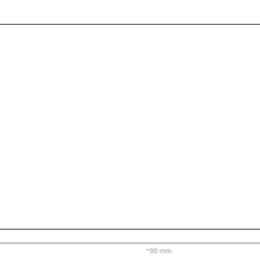
The working distance is marked as 22 mm in this image, which is measured on-axis, from the center of the last lens. Practically, the mechanical working distance will be 20 mm.
We have designed a 20…
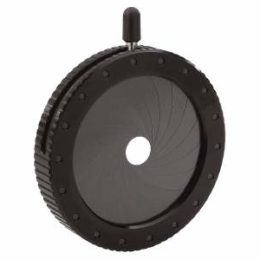
To advance deep imaging in multiphoton microscopy, it is essential to attempt to collect each photon…
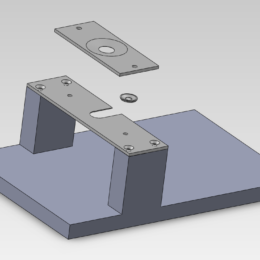
Multiphoton imaging with micron resolution in living animals can…
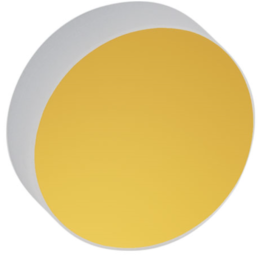
There’s been an interesting discussion on the Confocal listserv, and we’ll quote some of that discussion below. We’ve always used protected gold and silver mirrors for our multiphoton systems. That’s still what…
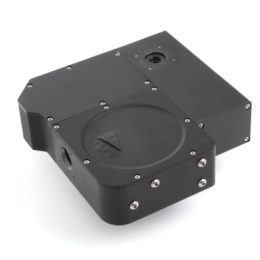
This could be handy for some of you. Resonant scanners are fast, but inflexible. You can’t tell them where to go. They just oscillate at a fixed frequency. All you can do is control…
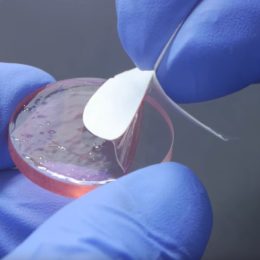
The easy ways aren’t usually the best ways. This might be an exception. Check out the video.
This is an interesting product for cleaning and storing lenses. It’s called “First Contact”, and is…
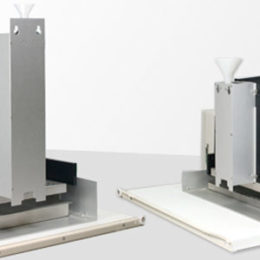
Lisa Saksida and Tim Bussey turned touchscreen systems into high throughput tools for rodent behavior assays. When I visited their lab in Cambridge (they’re now based at U Western Ontario in London, Canada, between…
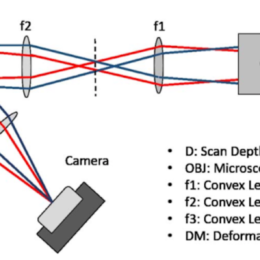
There are lots of ways to quickly change the z-focus plane, including tunable lenses, piezo objective movers, and a coupled objective. What is the best way to change the…