Posts tagged with water jet cutting

Inventables is a web retailer with a decent site that makes it easy to find raw materials and interesting components. E.g., stretch-sensing rubber and conductive velcro.

Inventables is to McMaster-Carr as SparkFun is to Mouser.

It’s run out of Chicago. Haven’t tried them, but probably will.

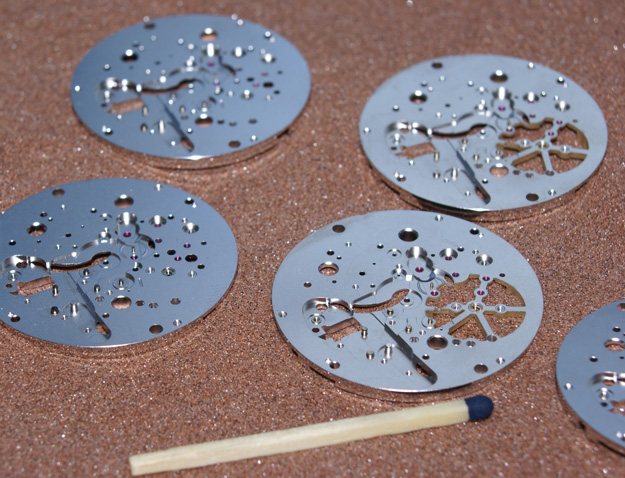
Micro Waterjet has an abrasive-based technique that enables laser-like precision for machinging small parts. The benefits are: no heat damage/distortion, and materials that are toxic when burned can be machined to laser precision. The jet itself is about 0.35mm in diameter, and this helps them achieve cutting precision of 0.01mm and positioning precision of +/-0.003mm.


It’s not too hard to find a laser cutting firm that will do small orders and offer very rapid turn around. The precision, quick turn around, and the ability to work without proper CAD files make it an attractive option for making custom parts.

We’ve used laser cutting for project enclosures, anesthesia tube holders, light tight barriers, and other rigging.

If the parts you need can be assembled out of flat pieces of plastic, then you’re in business. If it has to be metal, you’re better of going to a CNC machine shop. If it has to be some complex 3D shape, but can be plastic, then 3D printing is the way to go. But if you can make your part out of flat pieces of plastic, laser cutting is the way to go.

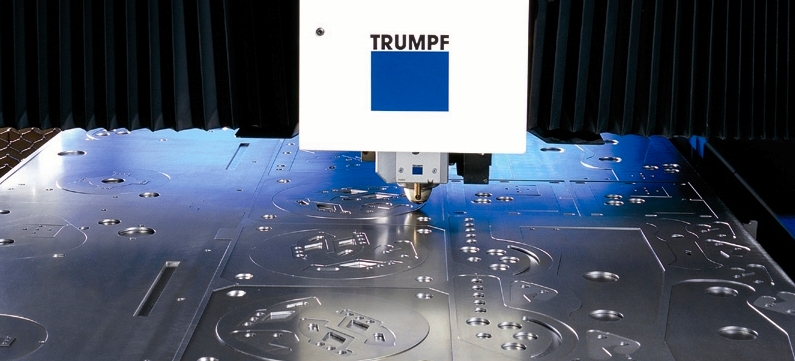
Note: Most of these tips also apply to water jet cutting firms. Water jets can cut a lot of things that lasers can’t: metal, glass, foam, and anything that gives off toxic fumes when burned.

1. Find a laser cutting firm.

Just search on the Internet using the terms “laser cutting” or “laser cutting services”. Contact them, tell them who you are and that you’re looking for a laser cutting firm for your small, one-off jobs. Also ask if they’ll work from sketches or simple drawings. Most places are happy to take this kind of work, but in rare cases a firm will be more industrially focussed. In the UK, we’ve used this firm:http://www.cut-tek.co.uk/

2. Pick a material.

You can check to see what the firm has in stock. Black or clear acrylic are commonly used. Thickness are typically 1-3mm. But be aware that the material thickness is typically not terribly precise. Ask them to measure it for you if it’s critical. Otherwise, just assume that it may vary up to 10% from the stated thickness.

Read the rest of this entry »